Solution


Emotional Support Robots (ESR’s)

A robotics company is developing next-generation Emotional Support Robots. The robots need to detect gentle pressure from hugs, petting, and other soft interactions without being too sensitive or inaccurate, especially for use in pediatric and elderly care settings.
Summary

  • Customer Need / Challenge

    A robotics company is developing next-generation Emotional Support Robots. The robots need to detect gentle pressure from hugs, petting, and other soft interactions without being too sensitive or inaccurate, especially for use in pediatric and elderly care settings.
  • Interface Solution

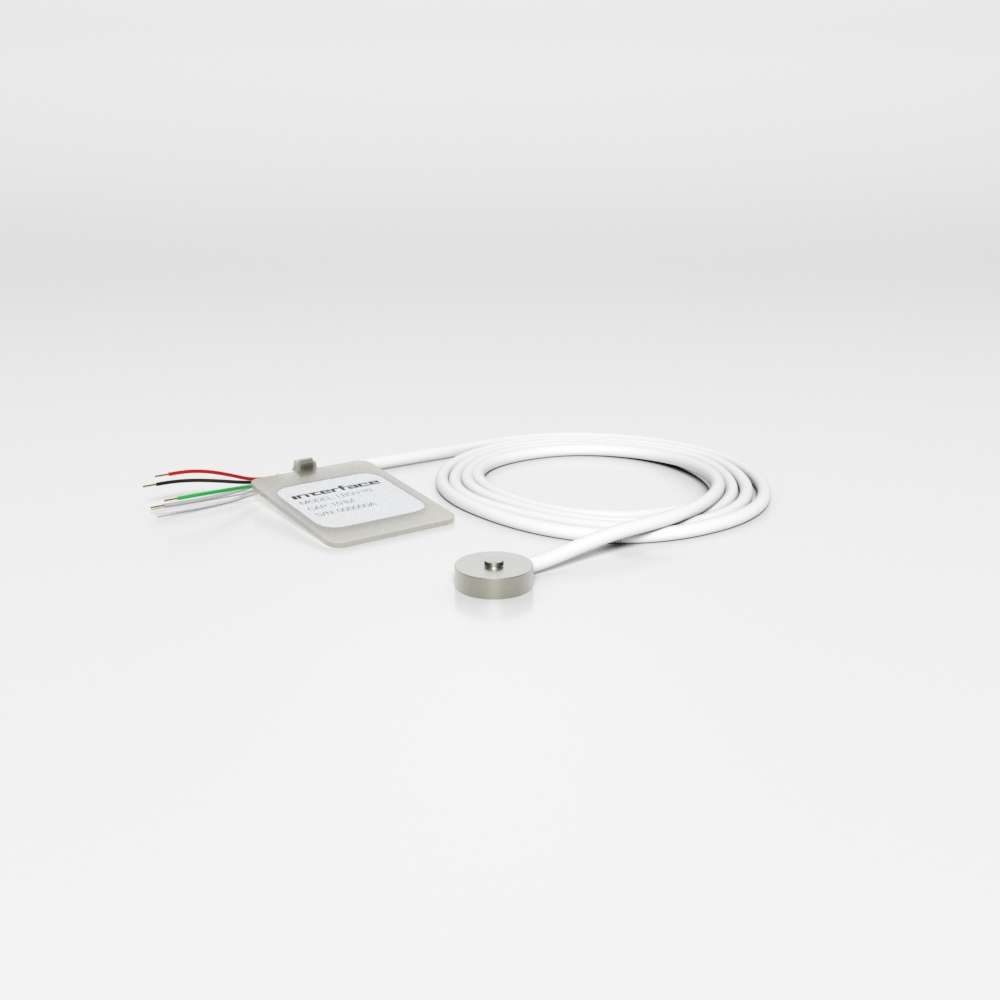
    Interface provided a combination of ultra-low capacity Mini™ load cells and multi-axis sensors to integrate into the robot’s arms, head, grippers, and body frame. Products like the ConvexBT Load Button Load Cell and MRTP Miniature Overload Protected Flange Style Reaction Torque Transducer enabled real-time feedback on touch pressure, direction, and intensity.

  • Results

    The ESR’s were able to detect and adapt to varying touch inputs—from a child’s gentle tap to a comforting embrace from an elderly user—enhancing the realism and emotional resonance of the interactions. Interface’s high-precision sensors improved user trust and satisfaction, while enabling safer and more natural robot behavior.

Materials


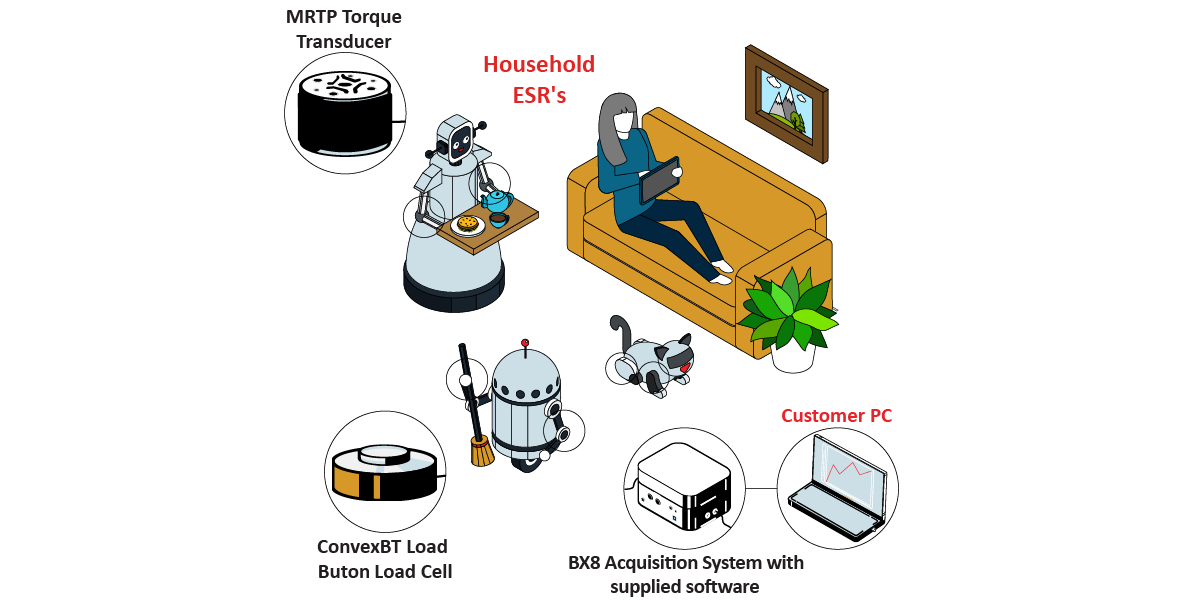
  • ConvexBT Load Button Load Cell
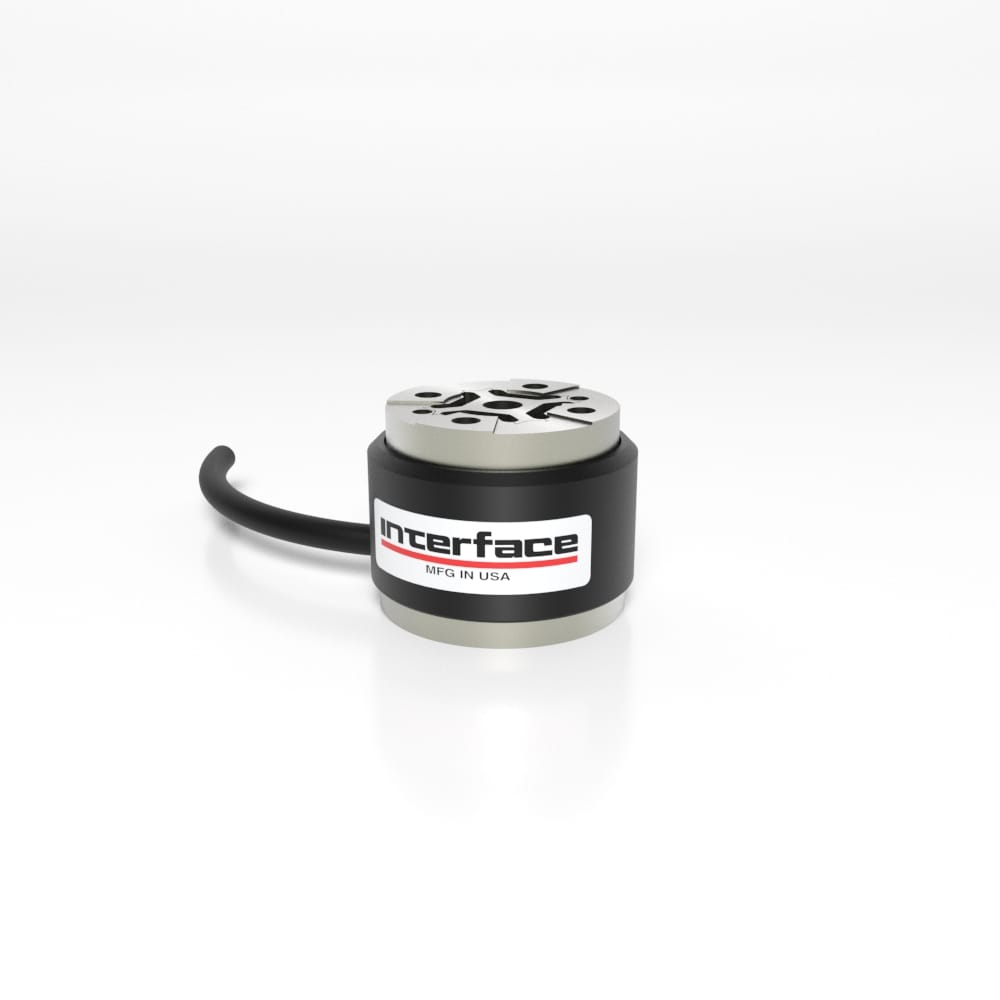
  • MRTP Miniature Overload Protected Flange Style Reaction Torque Transducer
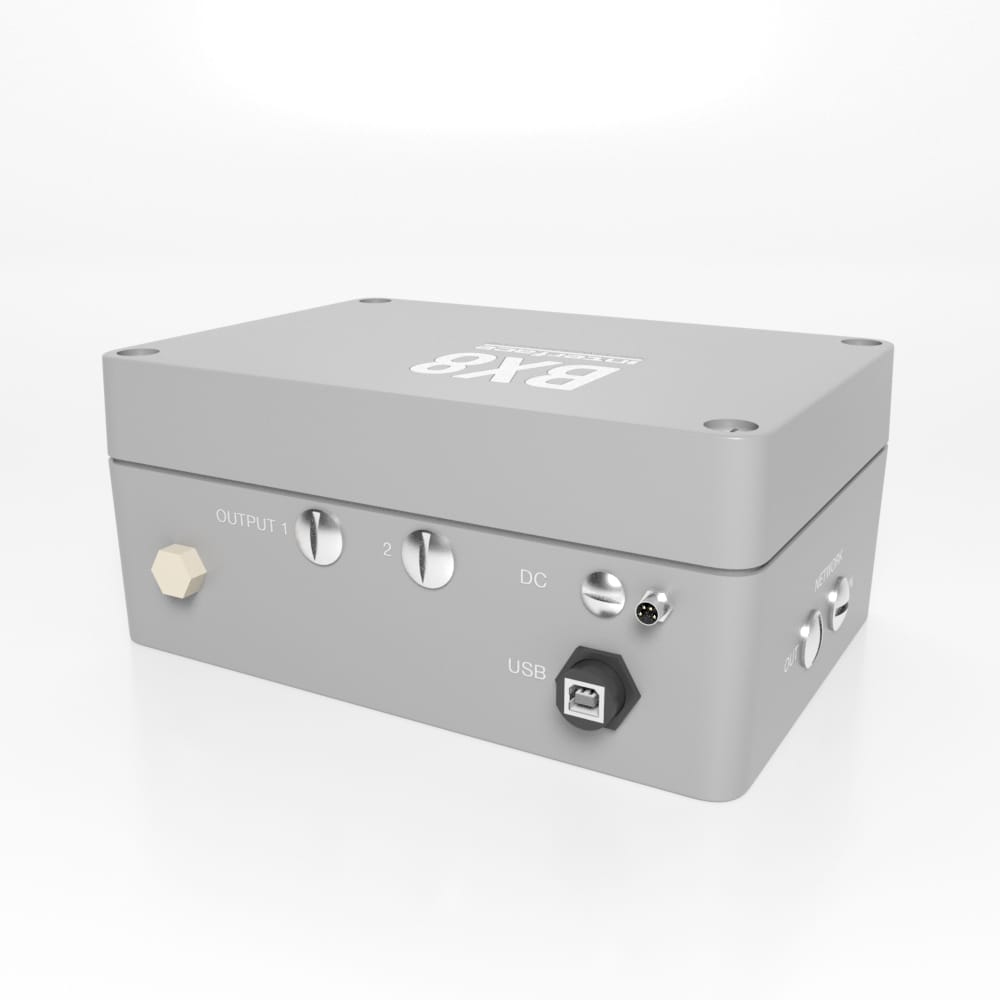
  • BX8 8-Channel Data Acquisition and Amplifier with included BlueDAQ Software
  • Customer’s PC or laptop
  • Emotional Support Robots

How it Works


  1. ConvexBT Load Button Load Cell- Used to measure the force of robots grippers, used to pick up small items or clamp.
  2. MRTP Miniature Overload Protected Flange Style Reaction Torque Transducer- Mounted between the robot arm’s motor and joint, to measure the torque of the limb movements.
  3. BX8 8-Channel Data Acquisition System and Amplifier- Results from all three force sensors can be viewed and recorded using the BX8.

Download PDF